Sleep Studies, Campbelltown

Snoring, waking tired or told you stop breathing at night? A Level 2 sleep study can tell you if obstructive sleep apnoea is putting pressure on your heart. We fit it in our clinic, and you sleep in your own bed.

How Your Sleep Affects Your Heart

Obstructive Sleep Apnoea (OSA) is more than a snoring problem. Each time your airway closes during sleep, your oxygen levels drop and your heart has to work harder. Over time, untreated OSA is linked to high blood pressure, atrial fibrillation and other heart rhythm problems.

As a cardiology and heart rhythm practice, we see this link every day. Testing for sleep apnoea is often an important part of understanding and managing your heart health.

Signs You May Need a Sleep Study

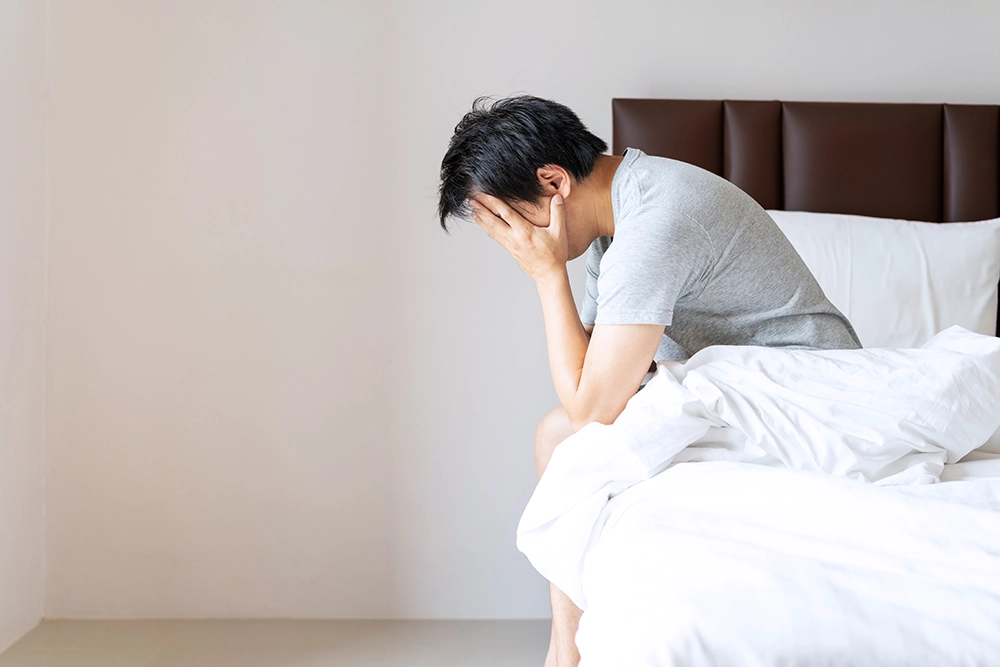
A sleep study may be worth discussing with your doctor if you:

What Is a Level 2 Sleep Study?

A Level 2 sleep study is a comprehensive, unattended overnight test focused on detecting obstructive sleep apnoea. It records much of the same detail as an in-lab study, but you get to sleep at home.

What we measure:

Brain activity (EEG)
tracks your sleep stages
Nasal pressure

measures your breathing

Blood oxygen (oximetry)
shows drops in oxygen levels
Heart rate and ECG
monitors your heart rhythm overnight
Respiratory effort
records chest and abdominal movement
Leg movements
picks up restless or periodic movement
Body position
shows whether position affects your breathing

Your Sleep Study in Four Simple Steps

01

Get fitted at our clinic

Come to your appointment and our team will apply the sensors and explain how everything works.
02

Sleep at home

Go home and sleep as you normally would, in your own bed.
03

Return the device

Bring the device back by 10am the next morning.
04

Review your results

Your results are usually finalised about 10 days after your test. We’ll book a follow-up appointment to go through them with you and talk about next steps.

How to Prepare for Your Appointment

A little preparation helps us get a clear, accurate recording.

What to Expect on the Night

The sensors are lightweight and designed to let you sleep as naturally as possible.
Head

Small electrodes near your eyes, on your forehead and under your chin

Nose

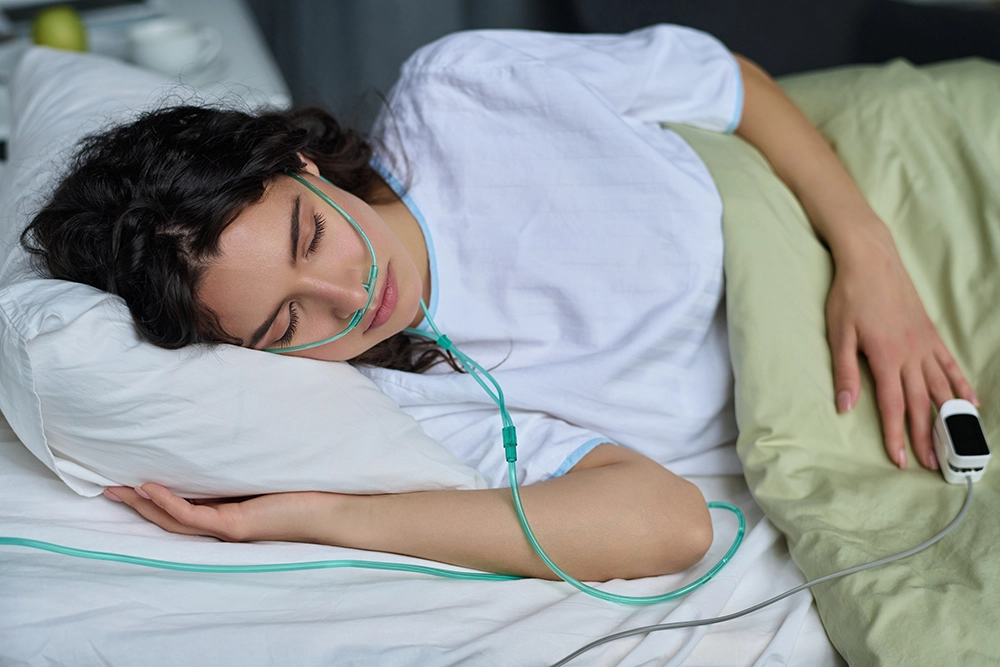
A soft nasal/oral cannula just below your nostrils

Chest and abdomen

Effort bands to track your breathing

Finger
An oximeter to measure your blood oxygen

Returning Your Sleep Study Device

Sleep Study FAQs

Do I need to stay overnight at the clinic?
No. You’re fitted at our clinic, then you go home and sleep in your own bed.
Most people sleep well enough for a useful recording. The sensors are lightweight, and sleeping at home in your normal routine helps.
Results are usually finalised about 10 days after your test. We’ll book a follow-up appointment to go through them with you.
Your doctor will talk you through what the results mean and recommend the right next steps for you.

Get Started

Better sleep. A healthier heart.

If you’re worried about snoring, fatigue or your heart health, a sleep study is a simple first step. Speak with our team to book your appointment.