Advanced Procedures for Heart Rhythm Care

At Campbelltown Heart & Rhythm Centre, we offer advanced, evidence-based procedures to diagnose and treat heart rhythm disorders.

Led by specialist cardiologist and electrophysiologist Dr Tuan Le Nguyen, our focus is on restoring a healthy heartbeat, reducing risks, and improving quality of life.

Procedure

Catheter (Radiofrequency) Ablation

Atrial fibrillation occurs when the upper chambers of the heart (atria) beat rapidly and irregularly, disrupting normal blood flow and increasing the risk of blood clots, stroke and heart failure.

Common symptoms include palpitations, dizziness, breathlessness, chest pain or fatigue — though some people experience no symptoms at all.

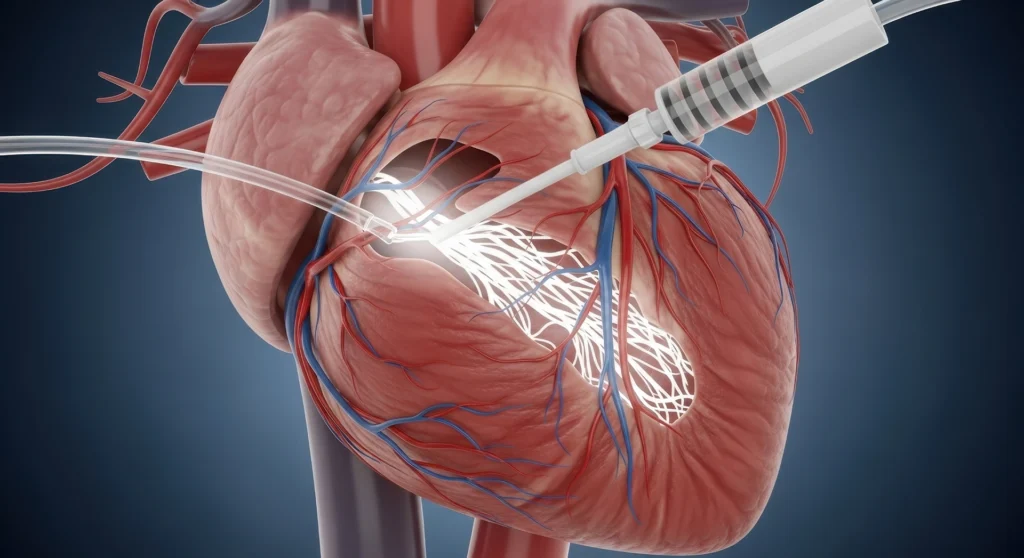
AF ablation is a minimally invasive procedure that uses gentle heat or cold energy to create tiny scars in the heart tissue, blocking the faulty electrical signals that cause atrial fibrillation.

It is performed in hospital under general anaesthesia and can significantly improve symptoms and reduce long-term risks.

Atrial flutter and supraventricular tachycardia (SVT) are rhythm disorders where the heart beats too quickly, often leading to palpitations, light-headedness, fatigue and shortness of breath.

Ablation can often correct these rhythms, improving heart performance and quality of life.

Electrophysiology Study (EPS)

An EPS is a specialised procedure to investigate abnormal heart rhythms.

Thin tubes (catheters) are guided through a blood vessel to the heart to record its electrical signals.

The procedure helps pinpoint the source of irregular rhythms such as atrial or ventricular arrhythmias and guides decisions for further treatment such as ablation or device therapy.

Other Rhythm Conditions We Treat

01

Ventricular Ectopic Beats

These are extra or skipped heartbeats that originate from the heart’s lower chambers (ventricles).

They are usually harmless but may need treatment if frequent or symptomatic.

02

Wolff–Parkinson–White (WPW) Syndrome

A condition caused by an extra electrical pathway between the upper and lower chambers of the heart, leading to episodes of rapid heartbeat.

Ablation is often an effective long-term solution.

Cardiac Device Implantation

Some heart rhythm disorders require ongoing device support to keep the heartbeat steady and safe. At our centre, Dr Nguyen has extensive experience in selecting, implanting and managing a wide range of devices.

01

Pacemaker

A small device placed under the skin near the collarbone that helps the heart beat at a steady rate when it is too slow or irregular.

02

Leadless Pacemaker

A newer, smaller device placed directly in the heart’s lower chamber (ventricle) without wires, reducing the need for leads under the skin.

03

Loop Recorder

These are extra or skipped heartbeats that originate from the heart’s lower chambers (ventricles).

They are usually harmless but may need treatment if frequent or symptomatic.

04

Biventricular Pacemaker (CRT)

Used for patients with advanced heart failure, this device coordinates the beating of the heart’s upper and lower chambers to improve pumping efficiency.

05

Implantable Cardioverter-Defibrillator (ICD)

A small device that continuously monitors the heart’s rhythm and can deliver a painless electrical impulse or shock to correct dangerous arrhythmias.

Our Approach

We focus on delivering safe, effective and personalised treatment.

We focus on delivering safe, effective and personalised treatment.

All procedures are performed or overseen by Dr Tuan Le Nguyen in collaboration with experienced hospital teams. Patients receive thorough pre-procedure assessments, clear explanations and ongoing follow-up to ensure the best results.

Why Choose Us

Why Patients Trust Campbelltown Heart & Rhythm Centre

01
Specialist Rhythm Expertise

Advanced care for complex heart rhythm disorders.

02
Comprehensive Approach

From first assessment to ongoing management.

03
State-of-the-Art Technology

Precise diagnostics and evidence-based treatments.

04
Compassionate, Personalised Care

We listen and guide you at every stage.

Get Started

Take the Next Step in Protecting Your Heart

If you have noticed irregular heartbeats, palpitations or other symptoms, don’t wait. Early diagnosis and treatment can make a real difference.